





Your cart is empty
Pick a product to get started. Design it online or upload your own file.
Browse all productsShop by product
Need something custom? Request a quote


Medical practices, dental clinics and allied health businesses still rely on print every day: appointment cards, referral letters, patient information and the signs in the waiting room. Here’s what to print for a clinic, how to set each piece up, and the advertising rules to keep in mind.
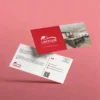
An appointment card is the simplest way to cut no-shows. Print them at business card size with your clinic name, phone number and address on the front, and lines for the date and time on the back.
Tip: make the back easy to write on
Pens skip on a gloss finish. Choose matte, and leave plenty of space on the writing side. Test with the pens your reception team actually uses.
For practitioners, a thick 450gsm card makes a quiet, professional impression at referrer visits and networking events.
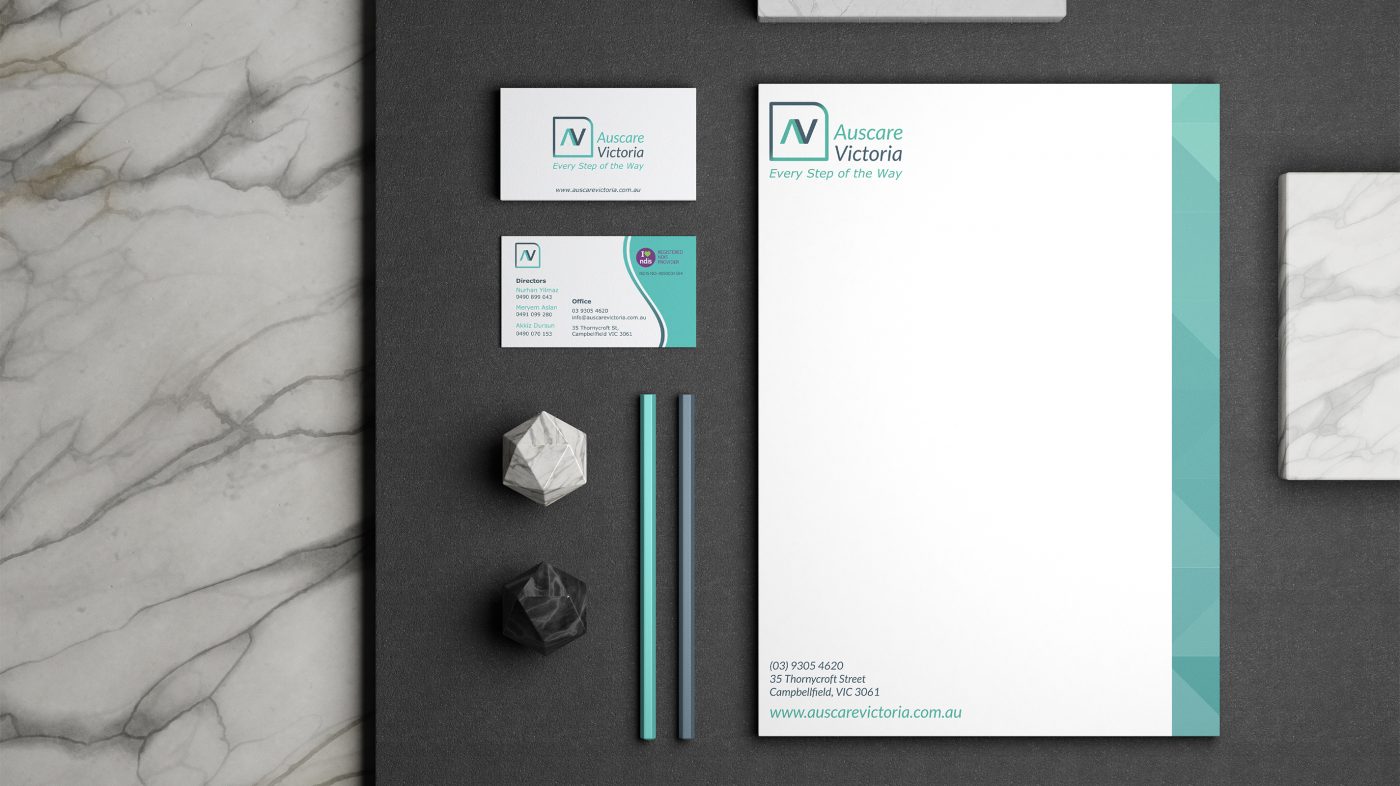
Referral letters, reports and invoices still go out on paper. Printed letterheads carry your logo and details in full colour, on 100gsm uncoated paper that runs through your office printer. Your practice software fills in the letter, and the letterhead makes it look like it came from an established clinic.
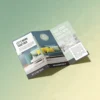
A clear brochure saves time in every consult. Use them to explain a procedure, what to expect before and after, your services or your fees and billing. An A4 brochure folded to DL fits a standard rack in the waiting room and slips into an envelope with a referral.
Patients spend time waiting, so give them something useful to read. A3 posters work for health reminders, new services and practice notices. A pull-up banner brightens up reception and travels well to health expos and community events.
Anything that promotes a regulated health service counts as advertising, including flyers, brochures, posters and signs. In Australia, section 133 of the Health Practitioner Regulation National Law and Ahpra’s advertising guidelines apply. They cover the business that publishes the advertising, not only the practitioners.
In short, your printed material must not:
Be careful with titles too. Words like “specialist” are protected, and qualifications need to be stated accurately. Ahpra publishes the full guidelines and a checking tool on its website. Cosmetic procedures have extra rules of their own.
A safe approach for clinic print
Stick to facts: who you are, your qualifications, the services you offer, your hours, location and how to book. That’s what patients look for, and it keeps you on the right side of the rules.
Patients trust a clinic that looks organised. Use the same logo, colours and fonts on your cards, letterheads, brochures and signs. A calm, simple design with plenty of white space reads as professional and easy to follow.
Print for your practice
Appointment cards, letterheads and brochures. Design online from a template or upload your own artwork.
Most are business card size, 90 x 55 mm, so they fit in a wallet or phone case.
Testimonials about clinical care can’t be used to advertise a regulated health service in Australia. Check Ahpra’s guidance on testimonials before using any patient feedback.
Our letterheads are printed on 100gsm uncoated paper made to run through an office printer, so you can print letters in-house.
This article is general information, not legal advice. For the full advertising requirements, read Ahpra’s guidelines for advertising a regulated health service or speak to your professional body or indemnity insurer.
Takeaway menu sizes, window posters, loyalty cards, packaging stickers and more. What cafes, restaurants and takeaways should print, and how to make it last.
Read the guideWhat real estate agents should print at each stage of a campaign, from just sold postcards and for sale signs to property brochures and open home banners.
Read the guideWhat a builder's sign needs to show, which corflute and mesh banner sizes suit your site, safety sign colours, and design tips for signs people can read from the road.
Read the guideDesign it online
Pick a product, choose a template and make it yours. Bleed and safe zones are already set up. Printed in Australia.